Chicago - The Band 2026 Tour Poster
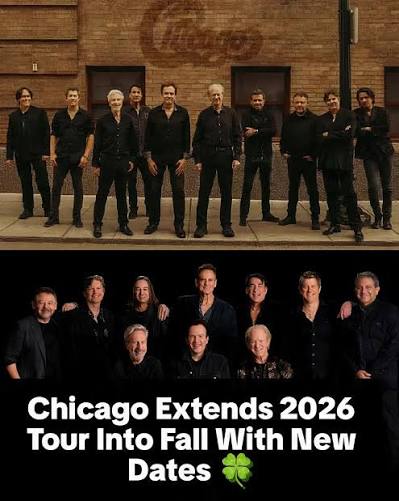
Chicago's current live run brings one of rock's most enduring horn-driven bands back to the stage with the sound that made them a fixture of American radio for more than five decades. Expect a full, brassy wall of sound: a rhythm section that locks into tight grooves, guitar lines that move from hard-edged rock to smooth ballad, and a horn section whose phrasing draws on big-band swing, Latin rhythms, and soul. The atmosphere tends to be warm and communal, with crowds singing along to familiar anthems while discovering deeper album cuts that reveal the band's jazz and experimental roots. The core audience often includes fans of classic rock, adult contemporary pop, and the ambitious arrangements of the late sixties and seventies, but the band's crossover appeal has also drawn younger listeners who first encountered the music through film, streaming playlists, or a parent's record collection. What makes this tour stand out is its reach, with a schedule that carries the band through a broad range of cities and a mix of venues, from large arenas to intimate performing arts halls, so each stop can feel shaped to its room. The typical set keeps a brisk pace, alternating high-energy horn workouts with slower, lyrically driven numbers so the momentum rises and falls without losing the crowd. Extended instrumental passages and tight transitions give the evening a sense of craft as well as nostalgia. Whether you are planning a first visit or returning for a favorite song, take a moment to check the dates table below, where you can find your nearest stop, confirm showtimes, and plan the night ahead.
Chicago - The Band has no upcoming shows on sale right now. This page is checked against ticket listings every day, so new dates appear here as soon as they are announced.
| Date | City | Venue | Tickets |
|---|
Nothing matches — clear a filter and try again.
No shows are on sale just now. New shows appear here as soon as they are announced.
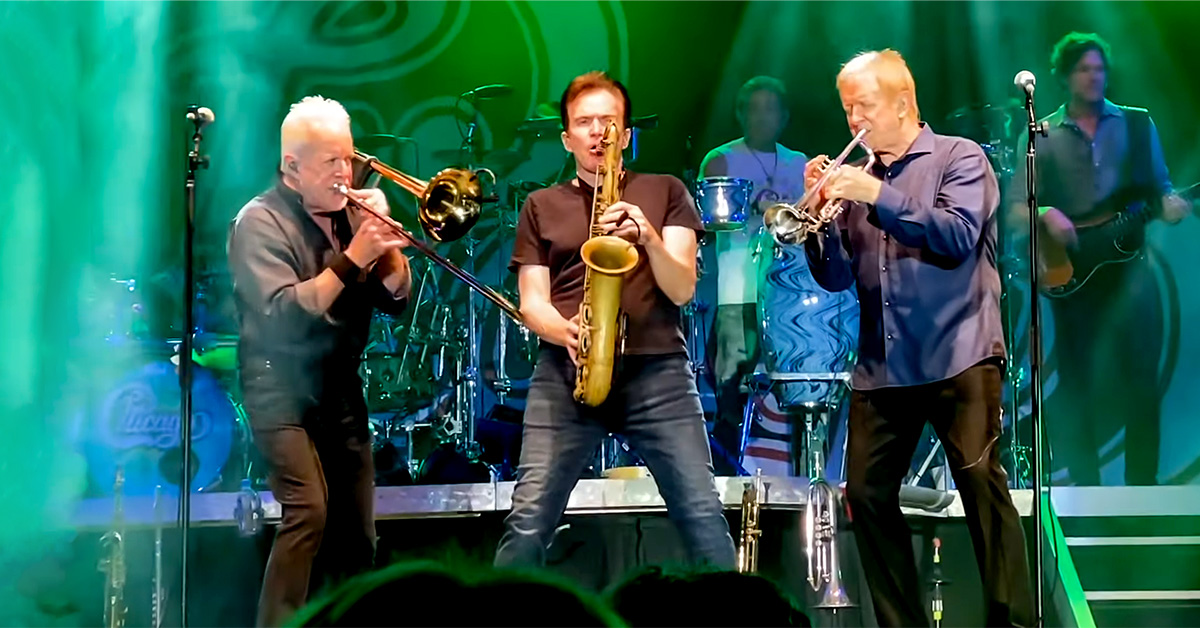
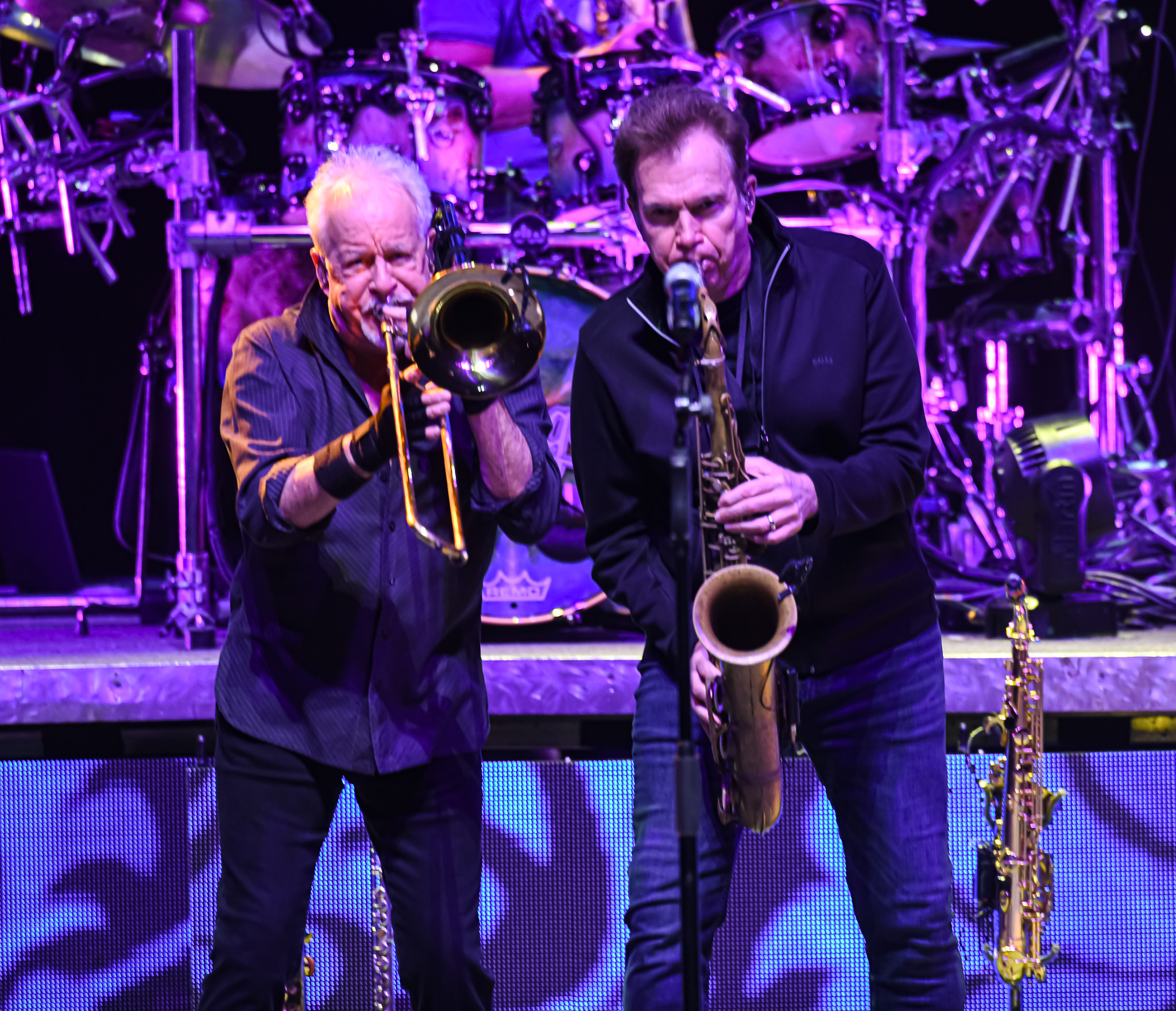
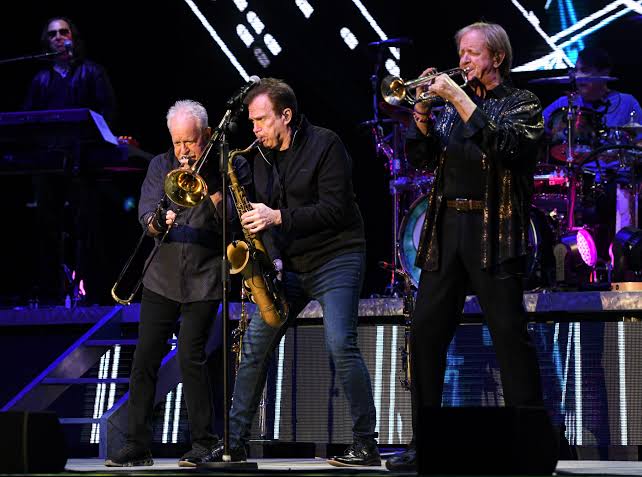
Several factors move the price of a Chicago concert ticket. The city itself matters, since demand and local market conditions differ from one stop to the next on a tour. Venue size is another driver: a smaller arena has fewer seats to sell, so each one is scarcer, while a stadium spreads demand across many more. Position within the venue matters too, because floor seats close to the stage and central lower-bowl sections are priced well above upper-level or obstructed-view seats. Timing counts as well. Prices often shift as the date approaches, and two dates of the same tour can cost very differently because of weekday versus weekend demand, local holidays, how quickly the first show sold out, and how much inventory the promoter released.
VIP packages and meet and greet offers usually bundle a premium seat or a reserved area with extras such as early entry, merchandise, or a brief photo opportunity with the artist. Their contents vary by show, so read the package description for each date rather than assuming it matches another night. Presales are early windows before general sale, and their availability also differs per date, with some shows having none at all. A presale code comes from the artist, the venue, or a card issuer that partners with them. Be cautious of third-party sites offering codes; if a code is not published by one of those official sources, treat it with suspicion.
Resale marketplaces list tickets from individual sellers, and those listings can be priced above or below face value depending on demand at that moment. Before paying, check the section and row carefully, and confirm that the listing matches the seats you expect on the venue map. Also expect that many resale tickets arrive as mobile transfers rather than printed or physical tickets, so make sure your phone and the venue's entry app will work for you on the night.
A night at a Chicago concert usually runs for a few hours from start to finish, though the exact length depends on the venue and the schedule for that date. Doors typically open an hour or so before the first performance, and there is often a gap of around an hour or more between doors and the headline set. Support acts vary from date to date, so the lineup printed on your ticket or the venue's listing is the best guide to who you will see before the main event. Plan on a relaxed evening with some waiting built in.
The headline set is built around the band's best-known work, the songs that have defined its sound for decades, alongside newer material that shows where the group is today. Chicago's style blends horn-driven rock, jazz-inflected arrangements, and polished pop melodies, and the show reflects that range, moving between energetic full-band numbers and softer, more melodic passages. Pacing tends to be deliberate rather than frantic, with room for instrumental solos and the brass section to shine. Production is usually clean and focused on the music, with lighting that supports the mood of each song rather than overwhelming it.
Practical details are worth checking before you go. Age policies are set by each venue rather than by the band, so confirm the requirements for your specific date. Arrive early if you want to get through security and find your spot without rushing, since entry lines can grow closer to showtime. Bag rules differ from venue to venue, and many places limit bag size or require clear bags, so check ahead. Earplugs are worth bringing, as the volume at live shows can be high, and they protect your hearing without dulling the music.
Fans of Chicago the band almost always listen for the horn-driven staples that made the group famous, such as "25 or 6 to 4," "Saturday in the Park," "Make Me Smile," "Does Anyone Really Know What Time It Is?" and the ballads "If You Leave Me Now" and "Hard to Say I'm Sorry." Exactly which songs make the cut changes from night to night, so no two shows are guaranteed to match.
Shows often open with a run of the big hits to satisfy the crowd, then mix in a few songs from the band's more recent albums, along with occasional deep cuts from the early horn-heavy catalogue and sometimes a cover. The balance shifts with the venue, the length of the set and the band's current touring plans. Afterward, fans often trade setlists online and compare which favourites were played and which were missing, making each night a talking point for the next.
Chicago formed in 1967 in Chicago, Illinois, as a group of young musicians who wanted to combine rock with the brass-driven sound of jazz and soul. The original lineup included keyboardist and principal songwriter Robert Lamm, trumpeter Lee Loughnane, trombonist James Pankow, and guitarist Terry Kath, with a full horn section placed at the center of the band rather than in a supporting role. Their sound pairs rock guitar, often distorted and wah-inflected in Kath's playing, with brass arrangements that trade riffs and countermelodies. Layered vocal harmonies and long, shifting song structures hold these elements together. After Kath's death in 1978, the group changed personnel several times, but it has remained built around that horn-and-rock core.
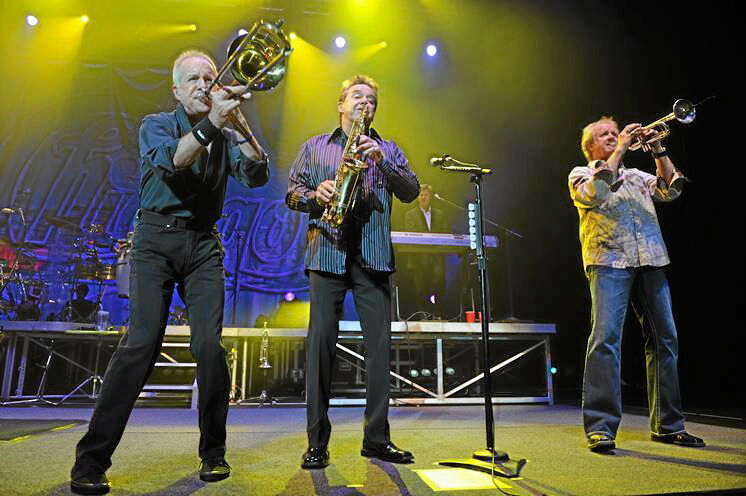
The current touring show is built around the horn section, so the stage often sounds fuller than a typical four-piece rock band. Production tends to focus on the musicians rather than spectacle, with lighting that follows soloists and arrangements that give each player a turn in the spotlight. The setlist usually balances the best-known singles with album tracks and extended instrumental passages, so longtime listeners hear material from several decades in one evening. The band plays theaters, amphitheaters, arenas, and casino showrooms, and the arrangements tend to come through most clearly in mid-sized rooms. Sightlines on the horn players are worth considering when choosing seats.
The band's early work set its identity. The 1969 double album Chicago Transit Authority combined rock songs with extended, jazz-influenced passages, showing how far a horn-centered group could stretch within a rock record. The self-titled 1970 second album, widely called Chicago II, contained "25 or 6 to 4," a driving track built on a propulsive rhythm and brass figures that remains a concert staple. In the 1980s the group worked with producer David Foster, whose involvement pushed its output toward polished ballads such as "Hard Habit to Break." The catalog has since been widely anthologized, and the band continues to tour.
Chicago sits within the broader tradition of rock and pop bands from the late 1960s and 1970s that brought jazz harmony, horn sections, and pop craft into arena-scale music. Its catalog is often discussed alongside other groups that blended soul, jazz, and rock, and it has reached listeners well beyond a single genre niche. The audience at a typical show is intergenerational, including longtime fans who grew up with the radio singles, couples attending together, and younger listeners who discovered the early albums through streaming. Listeners who enjoy musicianship, horn arrangements, and well-built vocal harmonies tend to respond most strongly. Fans seeking loud, stripped-down rock may find the evening more polished and song-oriented than expected.
Typical headline sets run around two hours, often including an intermission, though exact length varies with venue and tour. Opening acts, when booked, tend to be regional or classic-rock performers, so arriving early can be worthwhile if you want the full evening. The room usually feels relaxed and friendly, with many attendees singing along to familiar choruses and standing for the upbeat, horn-driven numbers. In larger venues, seats farther from the stage can make the arrangements sound less distinct, so a central or mid-section seat often gives the best balance. Check each building's age policy, bag rules, and ticket pickup details before you go, since these differ from one venue to the next.
Browse the upcoming dates listed below to find a show near you and compare venues, start times, and ticket details. Schedules can shift, so check each listing for current information before making travel plans. Whether you come for the early albums, the radio ballads, or the full-brass arrangements that define the live sound, a Chicago concert offers a chance to hear a long-running band with a fuller sound than most rock groups bring to the stage. We invite you to look through the tour dates below and plan your evening.
Chicago - The Band has no upcoming shows on sale right now. This page is checked against ticket listings every day, so new dates appear here as soon as they are announced.
Chicago - The Band has no show today (Nov 24, 2026) and no upcoming dates on sale.
Chicago - The Band has no dates on the calendar in any country right now. New shows are listed here as soon as they are announced.
Chicago - The Band shows often run around two hours, but the length can shift depending on the night, the setlist, and whether there is an intermission. Running time is not fixed for every date, so check the event details for the dates listed on this page. Plan to arrive early, and allow extra time for travel and parking after the final song.
Whether Chicago - The Band has an opening act depends on the specific date and venue, so there is no single answer for every show. Some nights may include a support act and others may not. Each performance has its own listing on the dates shown on this page, and any supporting act will be noted there once it has been confirmed. Check the listing before you buy.
Age policies for Chicago - The Band concerts are set by each venue and can differ from one date to the next. Some events may be open to all ages, while others may require guests to be 18 or 21 and older. Check the age requirement on the event listing for your chosen date, and bring a valid photo ID if it is requested.
The gap between doors opening and Chicago - The Band taking the stage varies by venue and by date, so there is no fixed schedule that applies to every show. Doors typically open ahead of the headliner, and the exact times are listed on each event page. Arriving when doors open gives you time to find your seat, visit the merchandise stand, and settle in before the show begins.
Chicago - The Band ticket prices are not the same for every show, so exact amounts can only be confirmed on the event page for your chosen date. Price is usually shaped by the venue, seat location, day of the week, and overall demand. Fees and taxes may be added at checkout, so compare seating sections and review the final total before you confirm your order.
VIP packages and meet and greet opportunities are not offered for every Chicago - The Band show, so availability depends on the date and venue. When these extras are available, the event listing describes what is included, such as seating or merchandise, along with any meet and greet terms. If you do not see a VIP option on the event page, it may not be offered for that performance.
Presale timing and any codes for Chicago - The Band shows differ by date and venue, so this page cannot give a single sale schedule. Presales are often announced through the artist's or venue's mailing lists and social channels, and the event listing will show when general sale opens. Sign up for those updates and check the on-sale information for your specific date before you plan your purchase.
If a Chicago - The Band concert is postponed, tickets for the original date are usually honored for the new date. If a show is cancelled, refund rules depend on the venue and ticketing provider, so check the policy on the event page or in your purchase confirmation. Keep your order confirmation and contact the box office or ticket seller with any questions about refunds or exchanges.
Follow Chicago - The Band